A New Lease on Life: 67-Year-Old Patient Walks Again After Successful Total Hip Replacement
March 29, 2025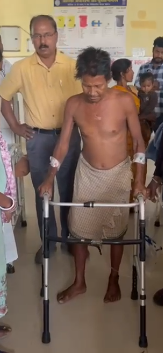
Introduction
Chronic, ununited fractures of the femoral neck present a unique clinical challenge, especially in younger, active individuals. Total hip replacement (THR) offers a reliable solution for pain relief and restoration of mobility when internal fixation is no longer viable. This case presents the successful management of a 45-year-old male with a neglected fracture neck of femur, treated with uncemented THR, who achieved early mobilization and a rapid return to function.
Patient’s Journey Before Surgery
45-year-old male, sustained a fall from stairs over a month prior to presentation. He was initially managed conservatively at a local clinic, but experienced persistent hip pain, an inability to bear weight, and increasing difficulty performing daily activities. On evaluation at our center, clinical examination revealed limb shortening, tenderness, and restricted range of motion. Radiographs confirmed an old, displaced fracture of the femoral neck with no evidence of healing.
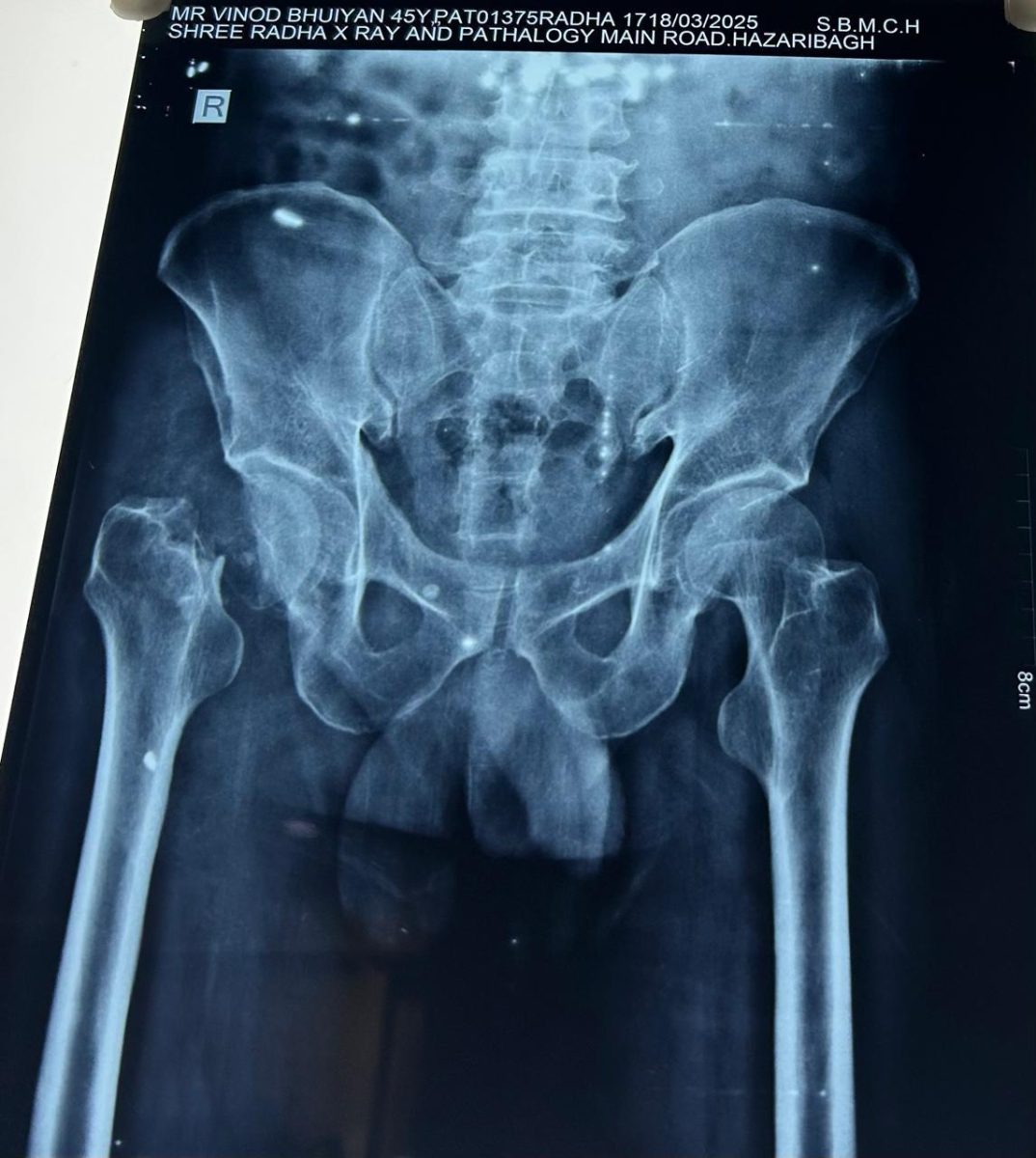
Given the duration and non-union of the fracture, combined with the patient’s age and desire to resume an active lifestyle, uncemented total hip replacement was recommended.
The Surgery: A Smooth and Uneventful Procedure
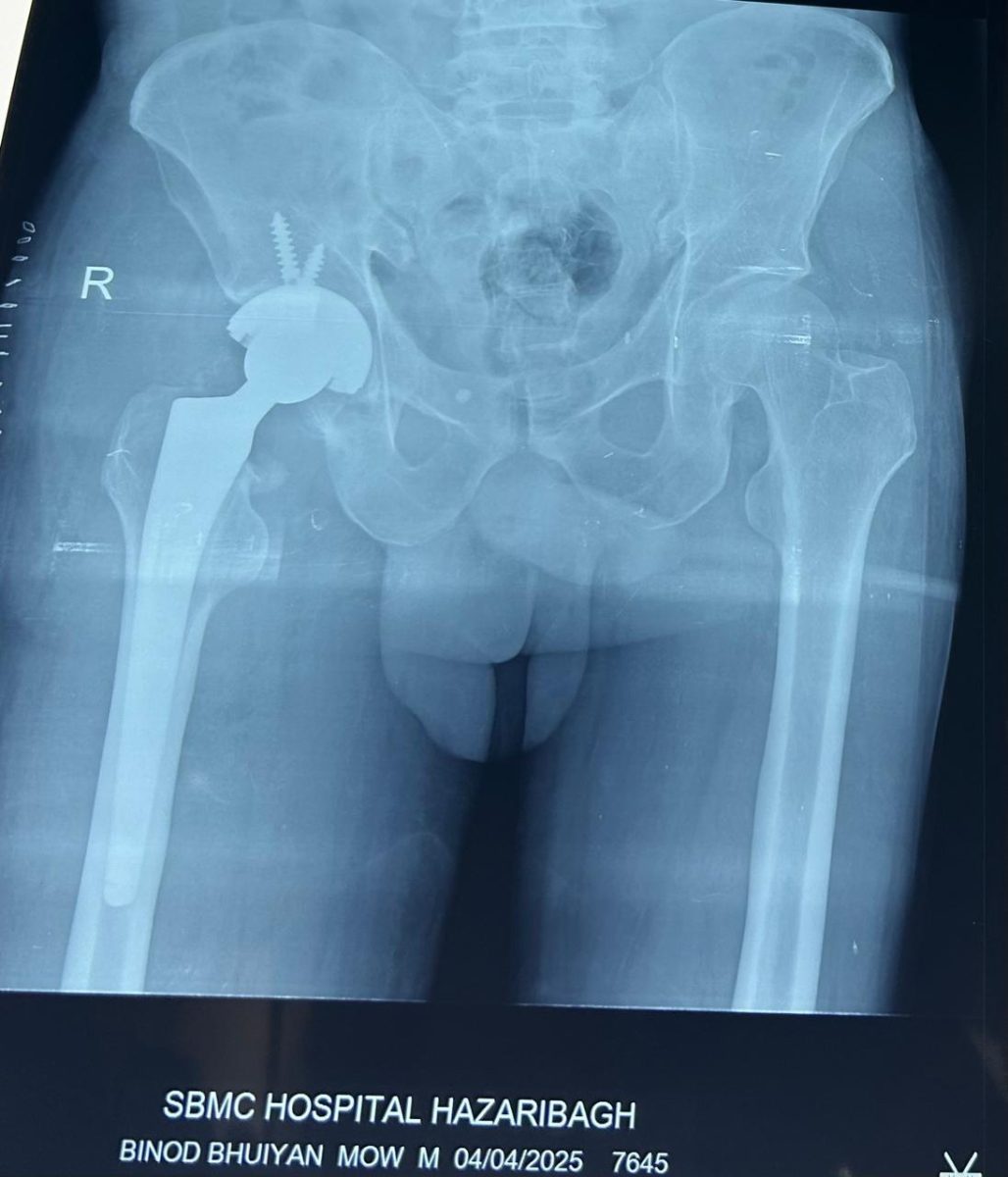
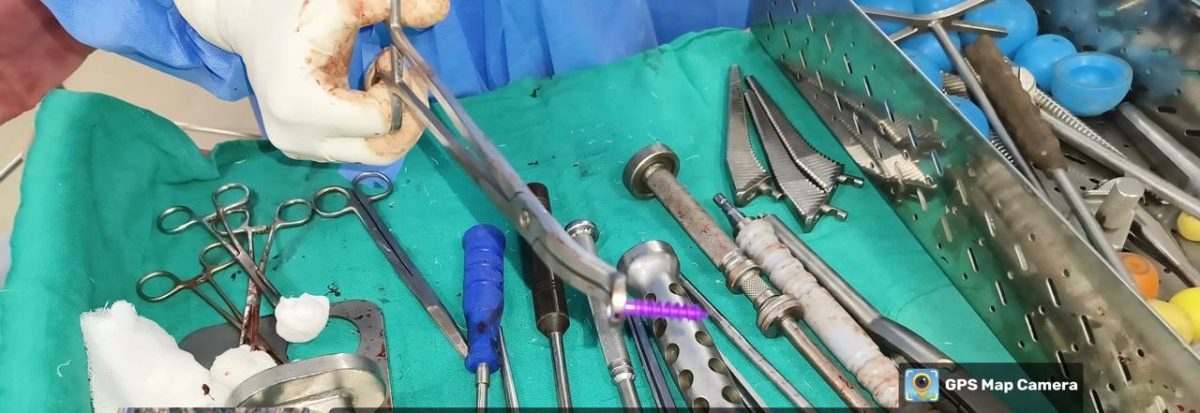
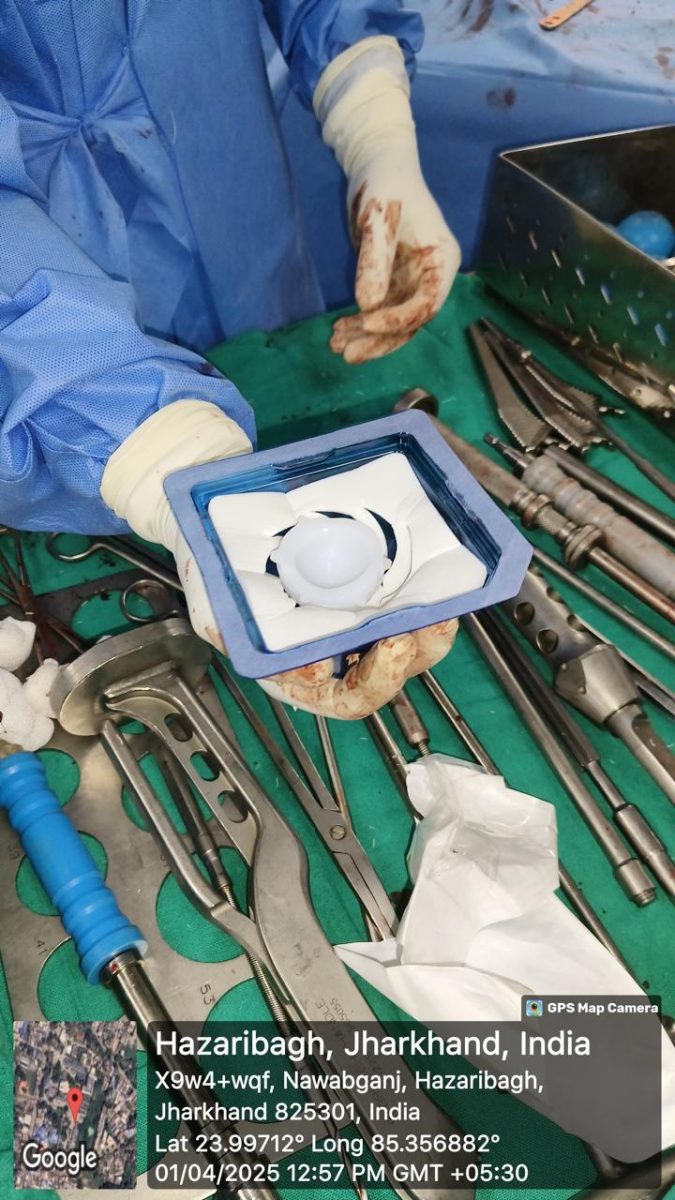
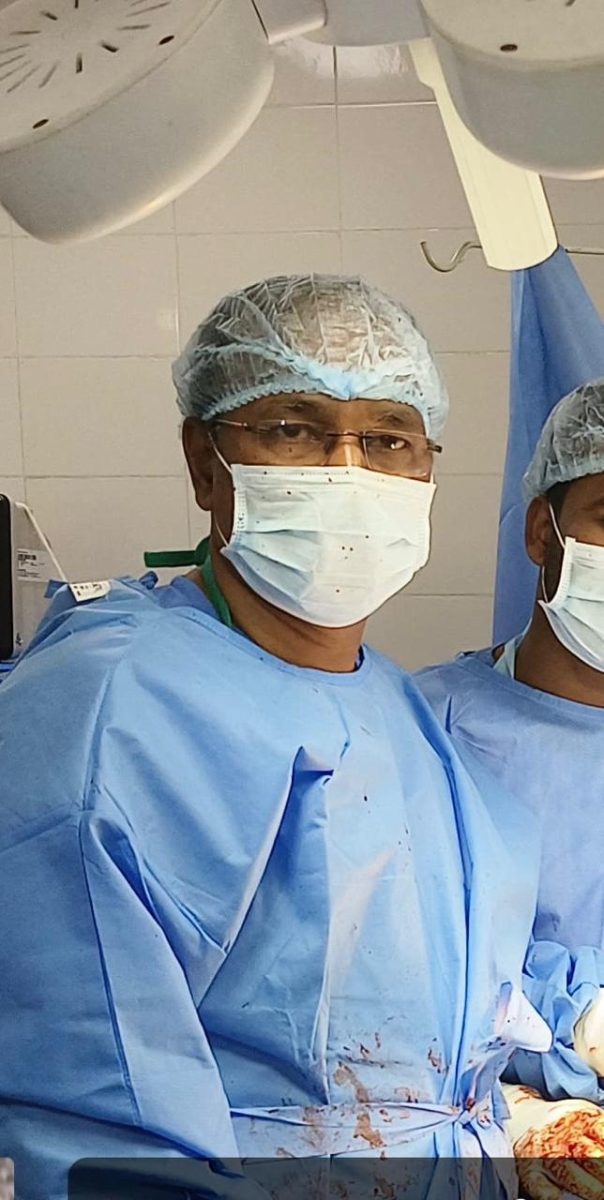
The patient underwent uncemented total hip replacement via a Direct Lateral ( Hardinge) approach. Intraoperative findings included a resorbed femoral neck and compromised head vascularity, confirming the decision for arthroplasty. An uncemented acetabular cup and femoral stem were implanted, with ceramic-on-polyethylene articulation. The procedure lasted approximately 90 minutes and was completed without any complications.
Fast Recovery: Walking on the 2nd Postoperative Day
Postoperative recovery was smooth and well-tolerated.
- Day 1: Pain was effectively controlled with multimodal analgesia, and the patient sat up in bed and began ankle pump exercises.
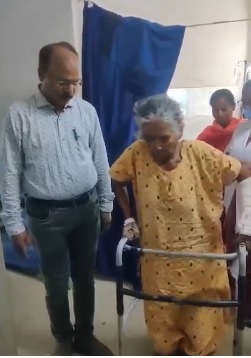
- Day 2: The patient stood and walked with walker assistance, bearing weight comfortably.
This early mobilization greatly reduced the risk of complications such as DVT and helped build patient confidence.
Post-Surgical Care and Rehabilitation
Patient was discharged on the 6th postoperative day with a home-based physiotherapy program. He was advised on hip precautions, strengthening exercises, and gradual progression to independent walking. At 6-week follow-up, he was ambulating confidently with a walking stick, pain-free, and had resumed many of his daily activities. Radiographs showed a well-positioned, stable prosthesis with no signs of loosening.
Patient’s Testimonial
“I was in constant pain and unable to walk for more than a month. I feared surgery, but from the very next day after the operation, I could feel the difference. I was up and walking with a walker on day two! The recovery has been fast, and I feel stronger every day. I’m truly thankful to the surgical team for giving me back my mobility and independence.”
— Happy Patient., 45 years